HADR foundations and people-centred assistance
Build a shared understanding of risk, needs and coordinated assistance before participating in exercises or developing a curriculum.
Find shared principles, from HADR foundations to exercise design and assessment.
Start with eight topics in the HADR foundation module, then six Thai cases, before exploring twenty connected domains and relevant standards.
12modules
Every module includes 5 questions with explanationsBuild a shared understanding of risk, needs and coordinated assistance before participating in exercises or developing a curriculum.
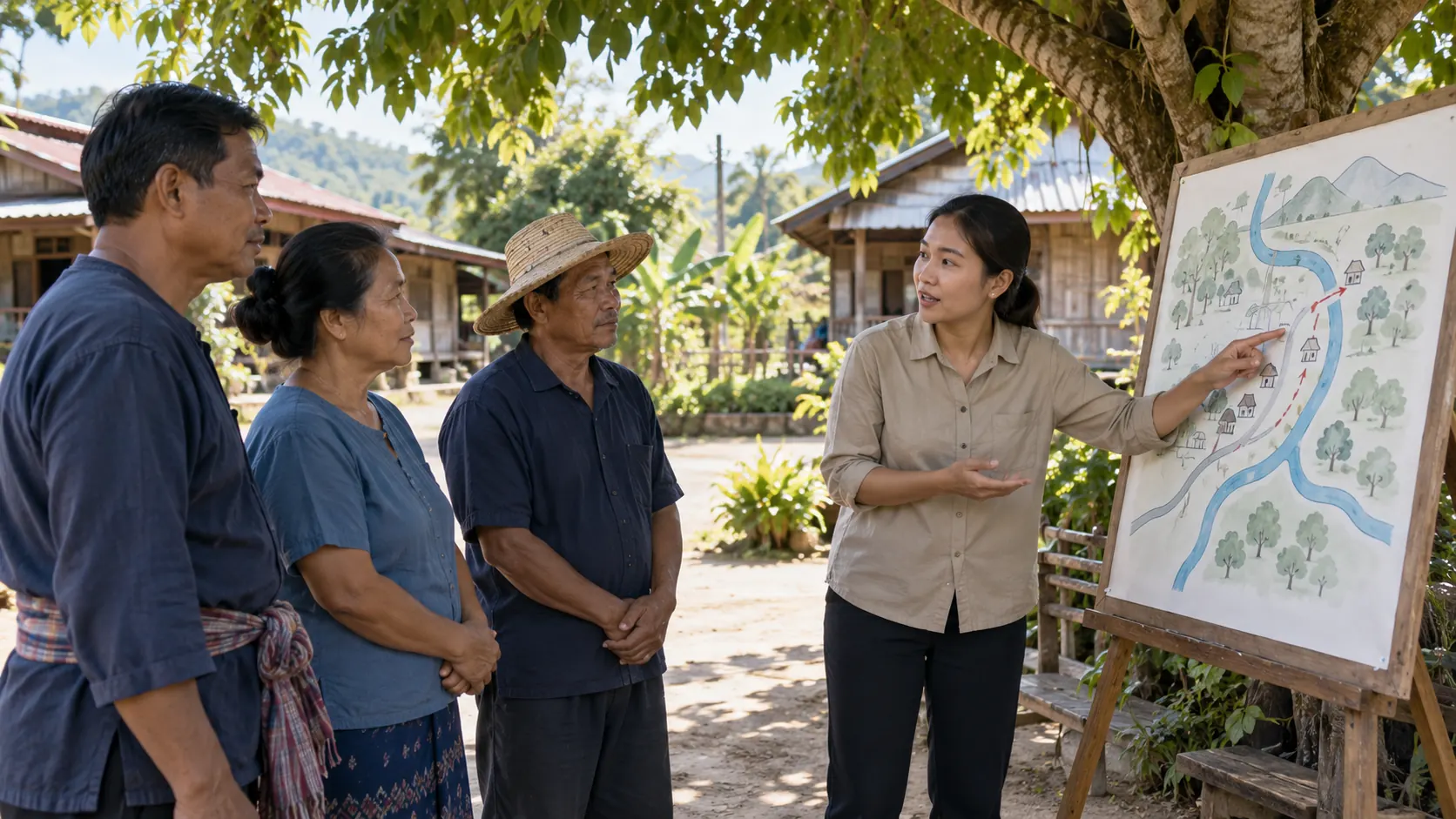
Turn local reports into a shared situation picture and traceable support requests.
Understand SASOP, assistance requests and offers, and coordination under affected-state leadership.
Translate coordination gaps into exercise objectives, injects and assessment evidence.
Design meaningful decisions while making assumptions, limitations and learning evidence visible.
Connect outcomes, activities, evidence and rubrics to support traceable future curriculum development.
Read a warning-focused retrospective, then examine access to information for communities and visitors.
Use a rapid assessment to connect housing, industry, transport and livelihoods.
A specialist rescue case for evidence reading, limits and coordination of expertise.
Study the scope of an intra-action review and how new information can inform coordination.
Read dates, geography and limitations before using a situation report for coordination.
Use an early response account to study connections among rescue teams, health services and preparedness.
Try a shorter term such as ASEAN or CPX, or select all topics.
Quiz scores are stored only in this browser. They do not certify competence and are not sent to a server.